




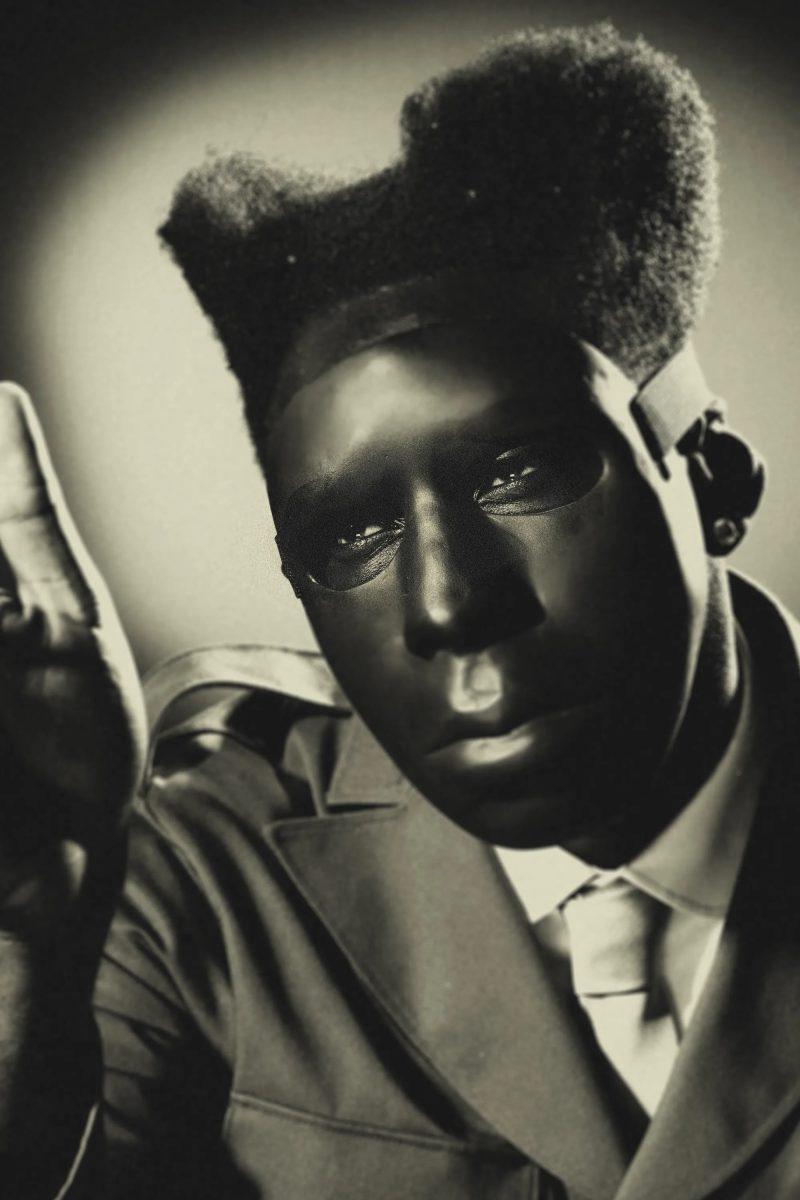
Artist Tyler, the Creator upsets the status quo with a vulnerable look at his life in “Chromakopia.”
“Chromakopia” is the seventh studio album from artist and producer Tyler, the Creator. The album was released three years after his previous album, “Call Me If You Get Lost.”
Ever since the release of Tyler’s first album “Bastard” in 2009, Tyler has consistently released projects every two years. “Chromakopia” breaks away from this tradition, which is a notable motif of the record.
Leading up to the release of “Chromakopia”, he made a point of doing things differently this time around. Instead of a long rollout for the album, it was released almost two weeks after its reveal.
“Chromakopia” is vastly different in tone, lyrics, and sound than “CMIYGL.” Whereas Tyler boasts about his success in the previous record, he explores much more personal and uncomfortable topics. This is one of Tyler, the Creator’s most vulnerable albums to date.
Throughout the record, Tyler’s mother speaks over the music, providing insight into his upbringing.
The first track, “St. Chroma,” opens with Tyler chanting the album’s title, proceeded with him rapping about his success as an artist, while remaining true to himself.
Daniel Caesar provides the chorus by asking the question, “Can you feel the light?” This acts as a call back to the chorus of the song “WHAT’S GOOD” from one of Tyler’s most successful albums, “IGOR.”
As an opening track, it does a fantastic job of setting the tone for the rest of the record, depicting a dark, but enduring look at the rapper’s life.
The next track, “Rah Tah Tah,” is a chaotic and fun track where Tyler boasts about his success.
The music’s arrangement in the tracklist provides a consistent mix between songs that show a susceptible look at Tyler’s psyche that then contrasts with a song about a more light-hearted subject.
For the album’s release, Tyler has been performing “Chromakopia” live to audiences. In one of his speeches, he acknowledges that the record is his most honest. While this is certainly true, he does this by interspersing this honestly with more traditionally listenable records.
In “Noid,” Tyler talks about the paranoia associated with being a public figure, noting the entitlement that fans often feel they are owed. This is a theme that has been in the limelight a lot recently, with artists like Chappell Roan talking about parasocial relationships.
The track samples a 1970s Zambian rock song, providing a unique sound that fits the ferocity of the song.
“Darling, I” harkens back to 2000s era R&B music. With background vocals from Teezo Touchdown, Tyler talks about his inability to stay infatuated with just one person. It’s a very sweet track. This one will probably blow up on social media.
“Hey Jane” tells the story of a pregnancy scare that Tyler had with a woman. It’s lo-fi in sound. Given the complicated topic, it approaches the subject maturely, providing the perspective of both characters.
While “Sticky” offers very little in terms of substance, it’s an extremely fun song. Artists GloRilla, Sexyy Red and Lil Wayne provide short but memorable verses.
“Tomorrow” embodies the album’s core themes, examining Tyler’s need to be true to himself, his relationship with his father, and the prospect of starting a family. Throughout the song, Tyler sings in a falsetto to the accompaniment of a guitar.
“Like Him” is one of Tyler, The Creator’s most vulnerable songs. When examined as a companion to his other tracks about his father, it shows how much he has evolved as an artist.
“Chromakopia” offers fans a wide variety of sounds. While not as conceptual in nature as his previous albums, he accomplishes his goal of breaking away from established traditions to create a memorable series of songs that show his evolution as a musician. Some fans may not like that this is one of his weakest albums aesthetically, which is OK because he proves that people change.
“Chromakopia” released Oct. 28.