



Few pieces of art manage to stay in the public consciousness after they’re unveiled to the world. For a medium like video games, their mass publication and promotion allow for more people to appreciate them. However, what determines if they’ll be recognized for decades to come is how deeply they impact those who have experienced it.
“Silent Hill 2” is widely recognized as a staple of the survival horror genre. Published by Konami in 2001, it was met with critical acclaim from audiences.
Revisiting the game through the gaze of a modern gamer, it’s difficult to see why the game is so revered. The graphics appear outdated, the controls are clunky and the voice acting is unprofessional. These are just a few reasons why the game might put off people from playing it.
Despite this, the game is regularly at the forefront of the argument of games as an art form. Like all pieces of art, it’s important to view it through the lens of when it was released, how it elicited an emotional response from the audience, and how it affected its medium.
In 2022, Konami announced a remake of “Silent Hill 2,” along with a myriad of other “Silent Hill” titles. Up until the release of the game in October 2024, fans were rightfully skeptical of this remake. The “Silent Hill” series hasn’t had the best support from its publisher, Konami, since “Silent Hill 4: The Room.” Up until the remake’s release, the series remained dormant with only the occasional attempt at a cash grab from fans of the series.
The “Silent Hill 2” remake has a big job on its hands, modernizing the original game for current-day audiences. For the most part, it succeeds in this attempt.
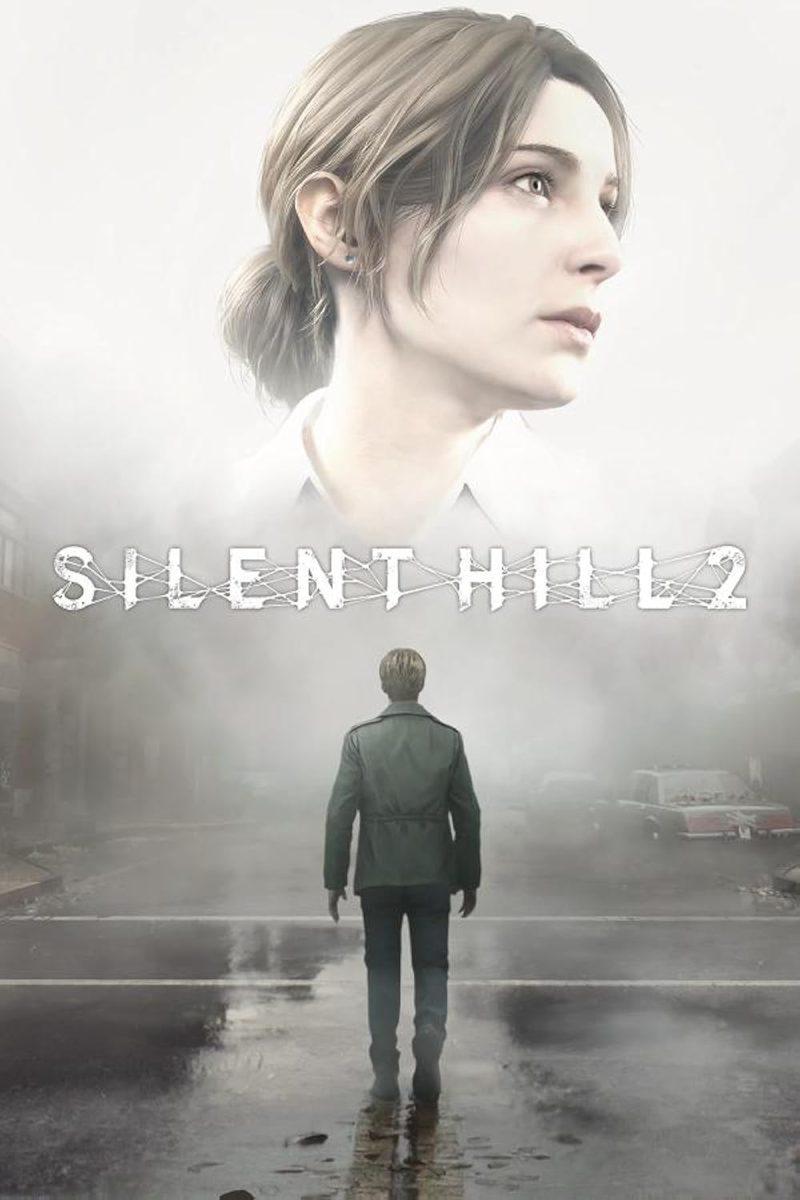
Developed by the Bloober Team, “Silent Hill 2” is a survival horror video game that follows protagonist, James Sunderland, into the town of Silent Hill in an effort to find his long dead wife. The town isn’t what it seems though, with creatures flooding the streets, trying to kill the player.
Gone are the fixed camera angles that limit what players are seeing. They’re replaced with an over-the-shoulder camera that follows the player. While this takes away from the cinematic approach of the original game, it gives the player more freedom and feels more akin to modern video games.
Traversing the town of Silent Hill, with high-resolution graphics and effects, brings a new sense of eeriness to the town. While there is significantly less fog through the city, it looks so much more intimidating.
Later on in the game, when exploring the apartment and prison, the updated lighting greatly increases the terror of the locations, making them appear more realistic in appearance.
The uncanny acting of the original is replaced with much more believable acting – but this isn’t a good thing. The original developers intentionally had unprofessional actors voice the characters in a sense that came across as otherworldly, to convey a sense of uneasiness. The performances in the current iteration are fine, but it doesn’t hold a candle to the original.
While the “Silent Hill” games aren’t applauded for their combat mechanics, they are recognized as an essential part of the series. The remake greatly improves the combat. The downside is that the enemies are much more difficult and reactive.
Thankfully, the story has been largely unchanged. “Silent Hill 2” is renowned for its deeply emotional and captivating plot. The developers understood that the story and characters are intertwined with the identity of the game and didn’t change it.
For fans of the series who never got a chance to experience “Silent Hill 2” on the original PlayStation 2, or those who want to revisit the game, the “Silent Hill 2” remake is the best and most accessible way to do so. To many fans, the remake and original will be compared but appreciated differently since they’re two entirely different experiences.