


The Conway Brain Injury Community, a therapy and support group for people living in central Arkansas with brain injuries, continues to provide support for individuals with brain injuries in its second semester of operation.
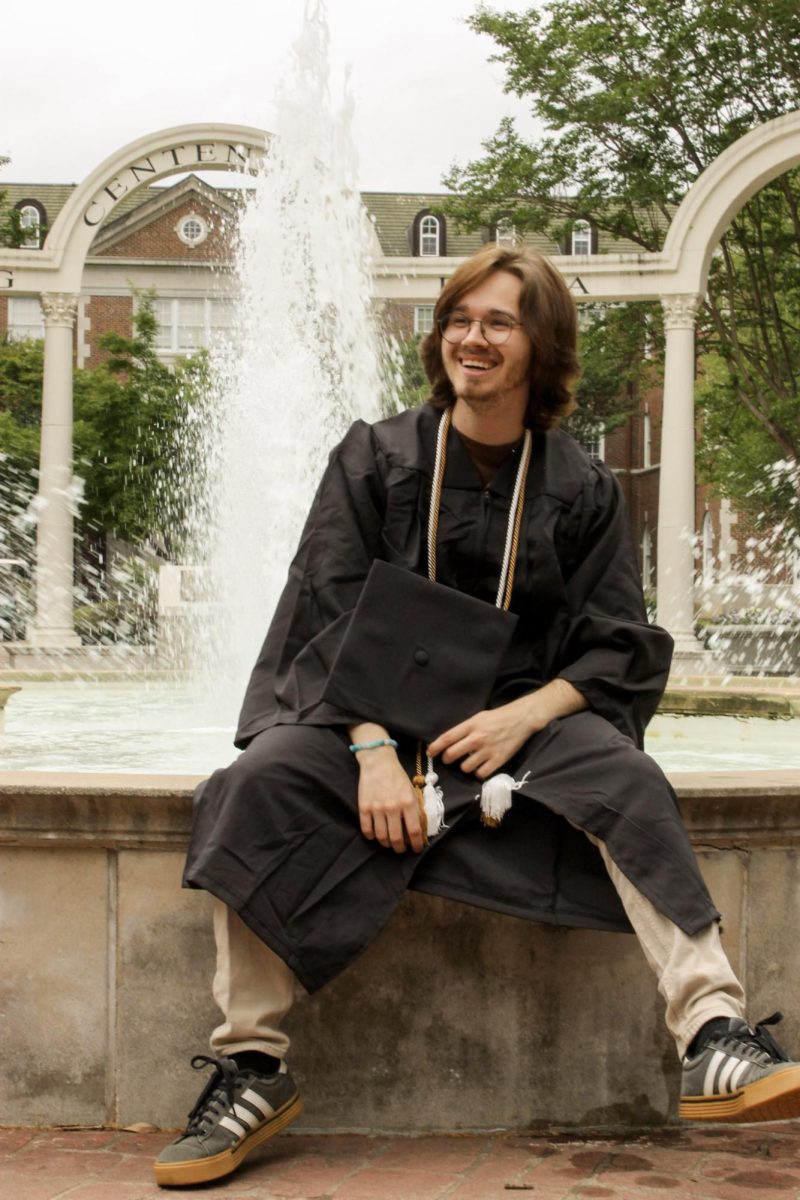
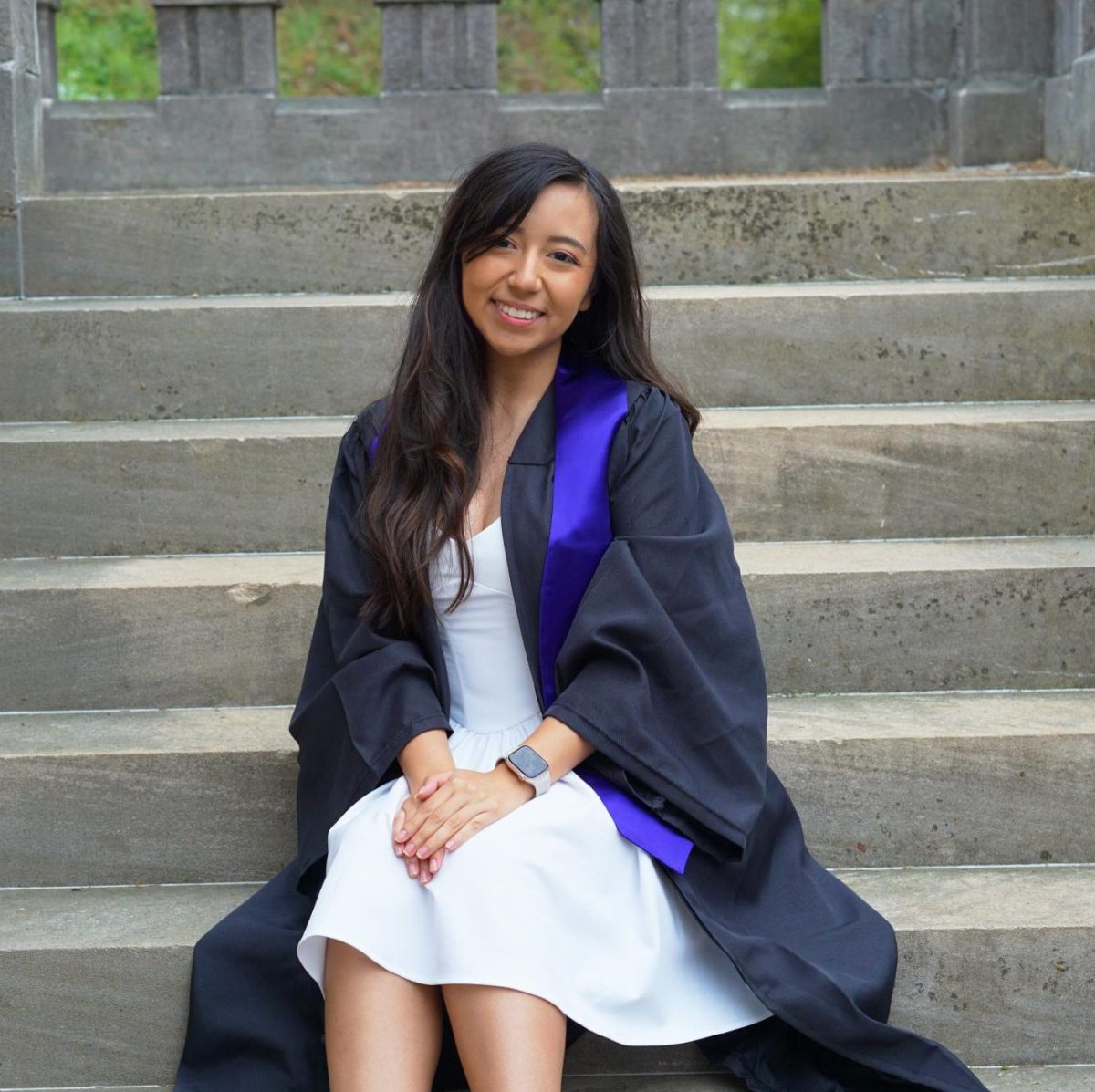
Part of the UCA Department of Occupational Therapy, UCA alums Emily Wish and McKenzie Svebek established the program last fall for a capstone project.
The CBIC is one of the few resources in Arkansas that provides post-brain injury therapy and support, Wish said.
“I was looking at what Arkansas had to offer for people that had either recently had a traumatic brain injury, or had a brain injury years ago and were still in need of resources, and there just wasn’t a lot for that population in Arkansas,” Wish, now an occupational therapist at Arkansas Children’s Hospital, said.
“I really just wanted to increase resources for people that have had a brain injury in Arkansas, and make it a program that was occupational therapy based but was also encompassing other resources that people living with a brain injury might need,” Wish said.
Initially established as a program for people recovering from strokes, the CBIC is open to people in Arkansas with any kind of acquired brain injury, Wish said.
Senior Kassidy Thompson currently leads the program, with mentorship from UCA professors Lorrie George-Paschall and Duston Morris.
“The need for this program was found through some literature reviews done by Dr. Wish and Dr. Svebek with their capstone,” Thompson said.
Wish and Svebek found that there was “a large population of individuals living with acquired brain injuries in Arkansas” that “were not receiving the long-term treatment or support they needed to be successful in their occupations or in their community,” Thompson said.
“There was this result of these individuals having higher incidences of feelings of isolation and loneliness, frustration, things of that nature,” Thompson said. “The program was really started to kind of be a resource to these individuals in their rehabilitation journey, regardless of what that might look like for that individual.”
Members of the CBIC program set their own goals and work with students in the College of Health and Behavioral Sciences to achieve them in group and individual settings, Thompson said.
“We have 16 College of Health and Behavioral Science students. Thirteen of those are occupational therapy students, and then three are health coaching students,” Thompson said.
The CBIC also occasionally brings in students from other disciplines in the health college “on a one-time basis to provide resources” Thompson said.
“For example, last semester we had nutrition and dietetics come in and speak to members of our program, and then we had physical therapy come in and lead a session,” Thompson said.
The CBIC program “is based on the theory of occupational adaptation,” George-Paschall said.
“Basically, that theory says that we all grow and develop through the occupational activities we engage in, in our daily lives,” George-Paschall said. “It’s by those opportunities that our environment provides us with that we grow and develop.”
The CBIC provides members with such opportunities, like having them set goals for themselves as well as self-monitor and -assess their progress.
Besides occupational therapy, the CBIC also incorporates health coaching as part of the program, under the mentorship of Morris.
Morris and the health coaching students evaluate individuals in the CBIC to see where they are on the transtheoretical model, a theory that splits the process of health behavior change into several stages.
“We evaluate where a client might be in that behavior change model, and then coaches really just explore that process with the client and they help facilitate the direction in which the client wants to go, as it relates to the goals that they’ve established for themselves,” Morris said. “And then they use various different coaching strategies that they learned through motivational interviewing to help facilitate that process of behavioral change.”
The health coaching students work closely with the occupational therapy students, Morris said.
“When the client goes back to the occupational therapy session, then we can share information with the occupational therapist about what the client has chosen to work on and things that they could do in those next sessions,” Morris said.
The interdisciplinary nature of the program gives the College of Health and Behavioral Science students valuable experience while also providing resources to people living with brain injuries.
“Not only are we serving the community, but it serves our students as well,” George-Paschall said.
If you, or someone you know, have had a brain injury of any kind and want to learn more about the CBIC or discuss joining, Thompson can be reached at [email protected] or Wish can be reached at [email protected].