

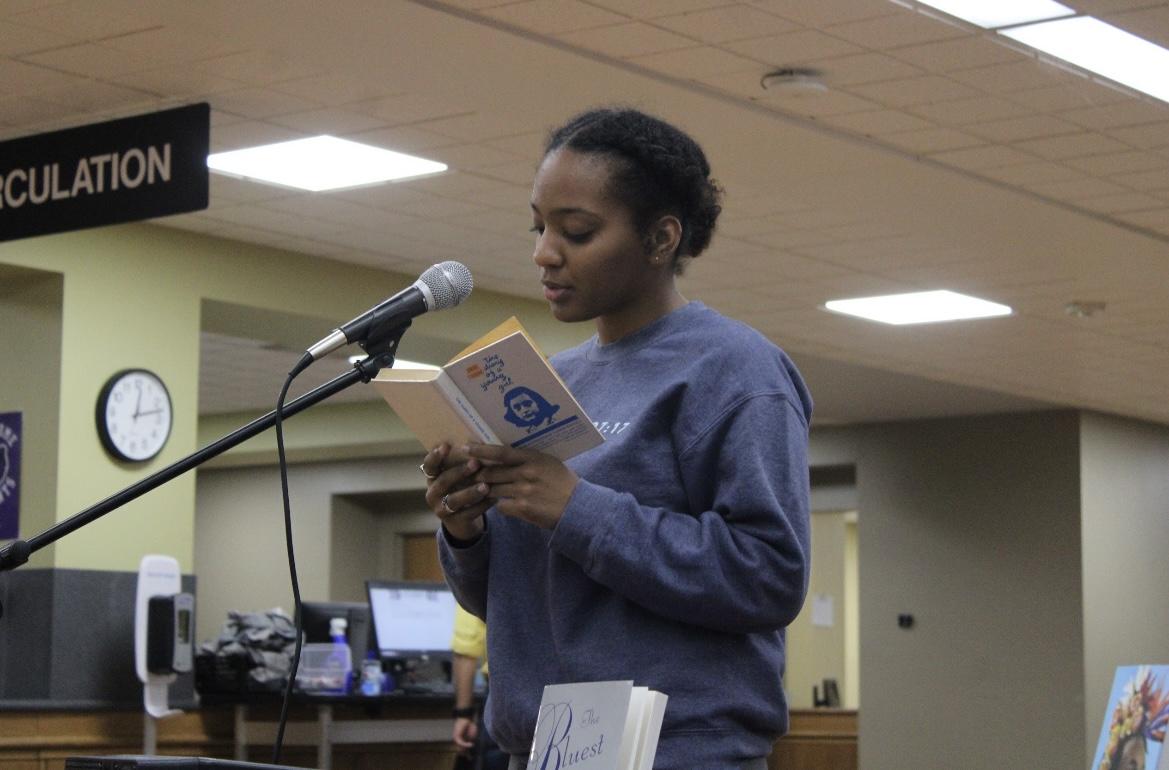
“The Handmaid’s Tale,” “The Perks of Being a Wallflower” and “Anne Frank: Diary of a Young Girl” are all frequently banned books in public schools and libraries throughout the country in the last decade according to a list compiled by the American Library Association.
Most bans come riddled with excuses that the books are either too explicit or have subversive content in their text.
Why some people think it’s their right to decide what books can be distributed to other people’s children or to the public is a joke.
Banned Books Week was Oct. 1-7 and highlighted the importance of intellectual freedom and free expression to voice opinions and concerns over book censorship.
For instance, “Fahrenheit 451,” another banned book on ALA’s list, is a dystopian novel set in the future where the government burns books, there are surveillance cameras throughout peoples’ homes and towns, people watch hours of television every day and parents use it as a babysitter.
This isn’t far off from our current reality. Discussions to ban more books are coming up more and more in the legislature and city councils, “iPad kids” and three-year-olds with tablet addictions are the new norm, and theories are constantly circulating about programs like Siri and AI, artificial intelligence, keeping an eye on people in their own homes.
“Fahrenheit 451” shows the harsh reality of how far our society could fall when higher-ups start censoring what content we ingest.
As of Aug. 31, 2023, there were 695 book challenges and 1,915 unique titles; the ALA notes this is a 20% increase from 2022, according to Briticanna ProCon.org.
There are multiple angles to this debate, but one in particular persists: Who should decide what content can be given to children, the public or the parents?
On one hand, it’s understandable that adults don’t want young and impressionable minds to read about serious topics like sex, sexuality and racism, as well as explicit language until they are mature enough to understand it.
But, children are already being exposed to these things on the internet and from their peers, and at a much earlier age than their parents might expect
We won’t even get into the Bible and how obscene some of the stories are. Wait til they read the hundreds of mentions of sex, alcohol, death and rape. Book banners could have a field day with Genesis and Judges.
Book bans are another way to silence LGBTQ+ and Black authors with minimal repercussions. Books incorporating queer characters or highlighting racial injustices are being challenged because they clash with the status quo of how close-minded and stubborn people want us to view issues in America’s past and present.
Taking away thought-provoking literature doesn’t mean the issues they highlight don’t exist; it just takes away a student’s chance to learn about the world around them and the struggles others face in their daily lives.
They aren’t stopping at books, either. No, they want to redact certain historical events and eras from public school lessons altogether.
Our history isn’t pretty by any means — racism, sexism, slavery and homophobia are some of the heavy, but necessary, topics that others want to do away with. They would prefer to pretend these events never happened and aren’t happening now.
Going down this route of censorship and erasing history is like going to Target and saying you won’t buy anything. It just won’t work.