
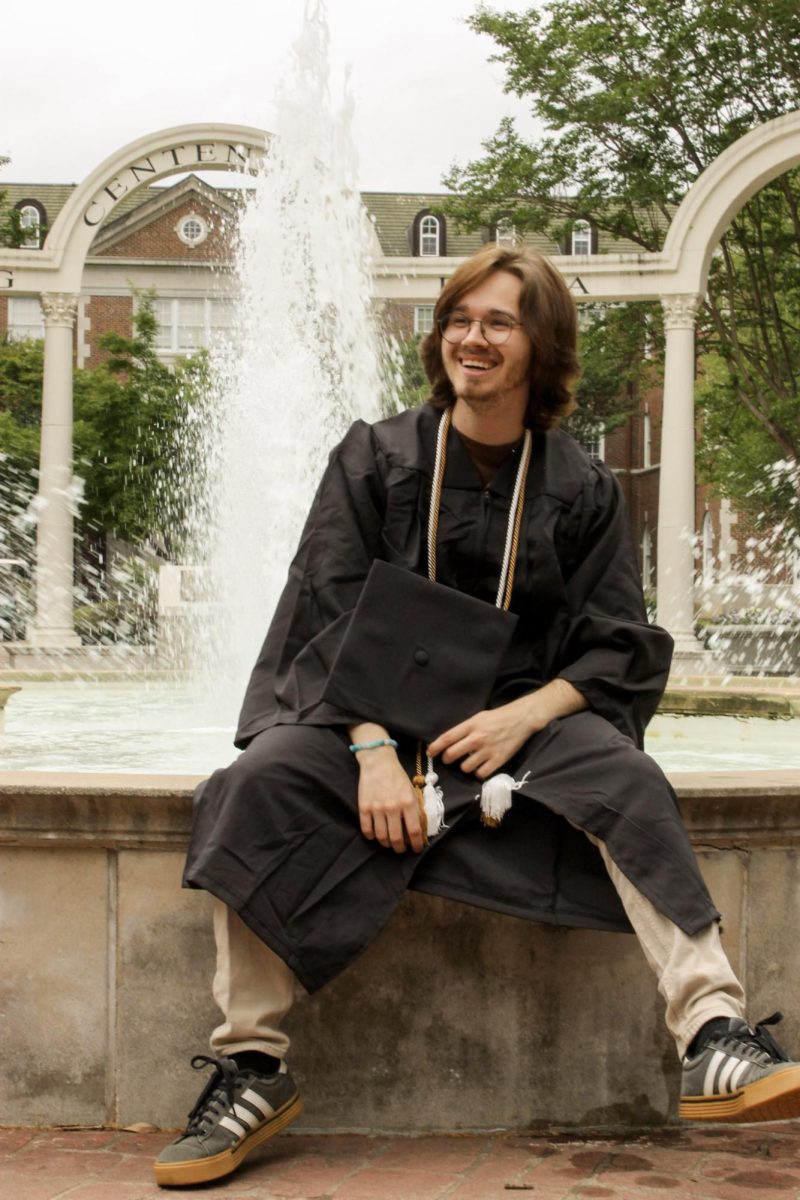

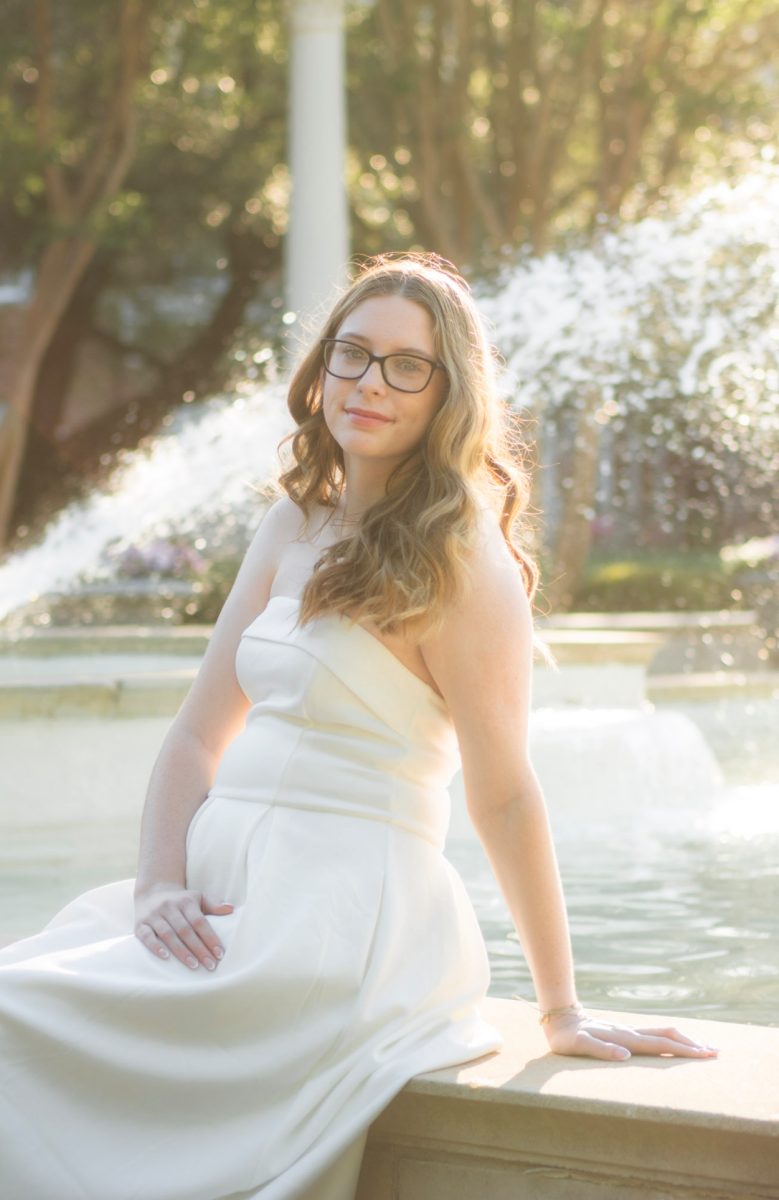
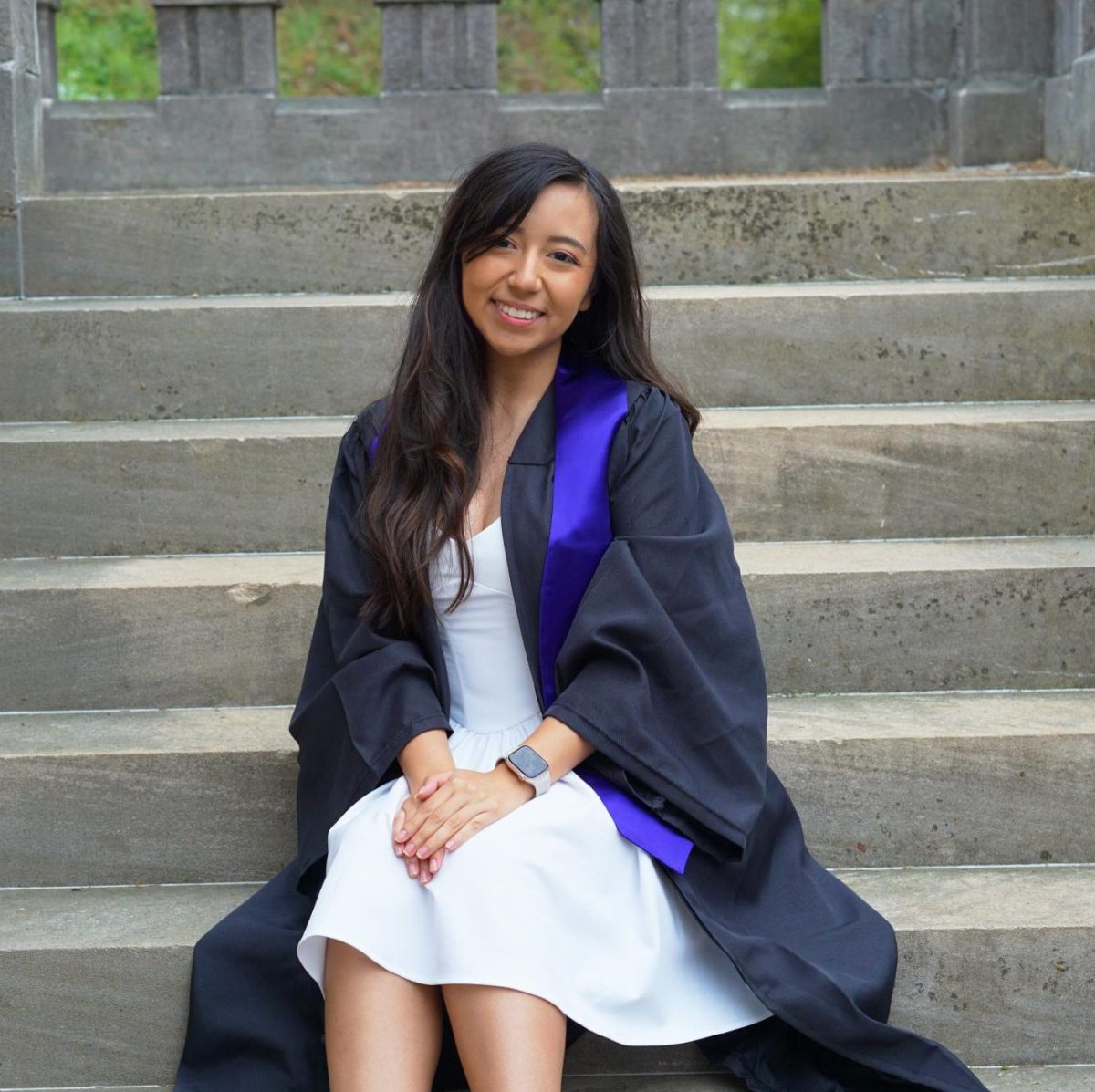
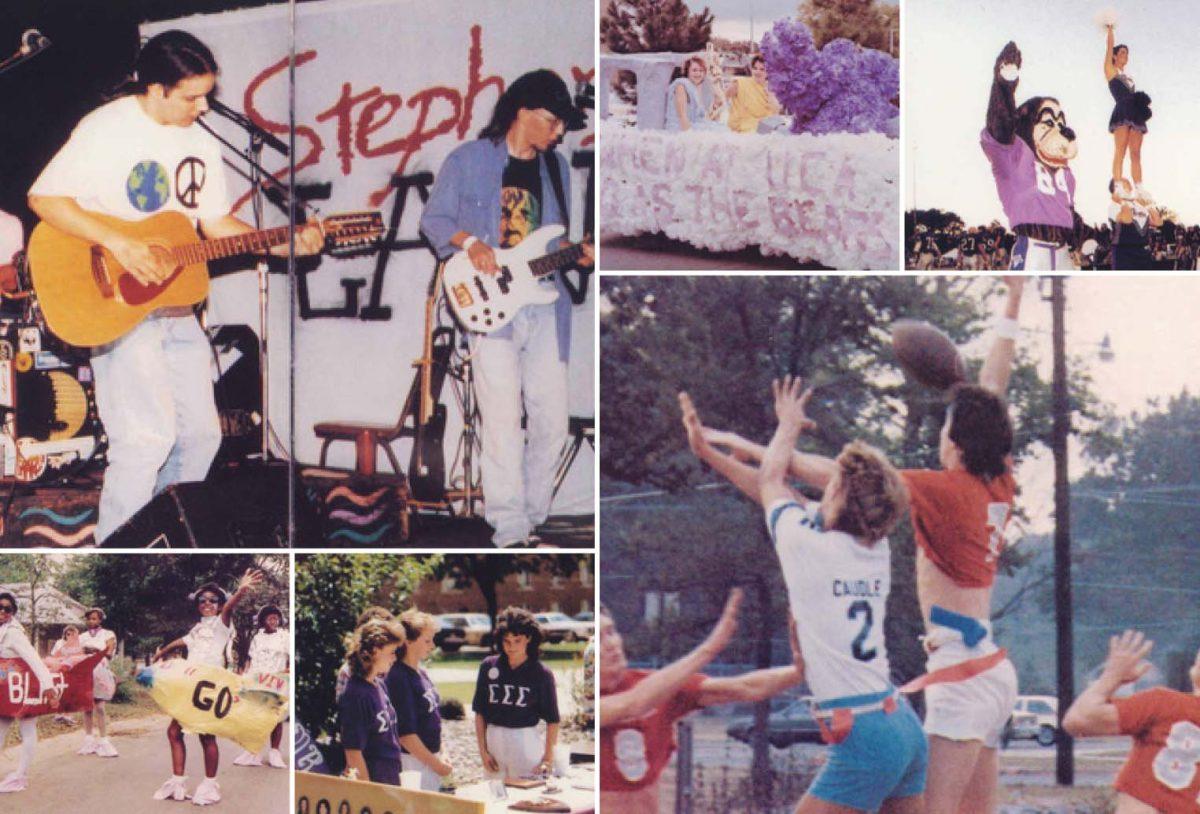
The archives recently scanned and uploaded over a thousand UCA photos to their digital collection, with photos dating back to 1907.
Daniel Klotz, the interim archivist, said it took around two to three months to get that amount of photos from print to the website. Some photos, instead of being on paper, are on glass plate negatives, requiring the archives to send them for scanning as they do not have the equipment in-house.
The recently uploaded photos include scenes of old dorm rooms, team photos, campus buildings, events and when Donaghey Avenue was a dirt road.
“We have a large collection of historic photographs of UCA, the campus, people, that — up until now — had been kind of locked away back here,” Klotz said. The archives are located on the west side of Torreyson Library, and are open via scheduling a visit online. Klotz said more of the archives being available online makes it easier for people to access.
“You can hop on the computer at three in the morning, and if you want to see what an early fraternity mixer looked like, I mean, there you go,” Klotz said.
The archives also have artifacts relating to UCA and Arkansas, like old UCA clothes, posters and even the instruments and a Grammy from Arkansan folk musician Jimmy Driftwood.
“We preserve materials related to UCA history, Arkansas History. Including manuscripts of professors, political figures, organizations across Conway and the States,” Klotz said.
The oldest photo, dated circa 1907, is a portrait of Otis Wingo. Wingo was a “member of the Arkansas Senate who sponsored legislation to establish the Arkansas State Normal School,” the digital archives site said. The Arkansas State Normal School was the founding name of UCA.
The archives are not only a way to view historical items relating to UCA and the state, but are also a resource utilized by professors and students on campus.
Lecturer of history Buck Foster uses the archives for his own research and as work for his students.
“I’ve been using it since I arrived here 15 years ago. There are several sources that I’ve looked into that are not available anywhere else. And it’s right here on campus,” Foster said.
Foster said he sent students to the archives to “find sources and topics to work with … you want to make sure that there’s enough sources on a topic that the student can actually do the paper or do the work,” Foster said.
Former archivist Jimmy Bryant was helpful in guiding students and helping them find what they needed in the archives, Foster said. Bryant helped match students with what he knew there were enough resources on, Foster said.
“Unfortunately, since the pandemic, now we’re doing stuff by appointment … and that’s really messed everything up,” Foster said.
Even with the complications brought on by the pandemic, the archives remain an important resource for Foster and UCA’s history department.
“We also train our history majors on how to be historians … you want to show them how it works and what it is and what they have and what’s available,” Foster said. “We can’t train historians without an archive.”
Foster said it can be hard to appreciate historical topics when it is about something that happened far away. “If you learn that the person lived down the road from you, or at least across the state … then you begin to relate,” Foster said. “You get a better appreciation.”
The archives have many more photos to add online in the future, Klotz said. “We also have a — rough estimate — ten thousand or so pictures that we haven’t processed yet of campus in the late 90s, early 2000s.”
The archives actively gather and preserve different materials. Recently, the archives acquired works of Arkansas poet laureate Lily Peter for $10, saving it from being thrown away, Klotz said.
The digital archive collection can be found online at uca.edu/archives by clicking “UCA Photograph Collective” under “New to the Archives.” The archives are open Monday through Friday from 8 a.m. to 4:40 p.m.