



Netflix’s mini-series “Adolescence” delivers a harrowing exploration of misogynistic culture, online bullying and social media’s influence on youth.
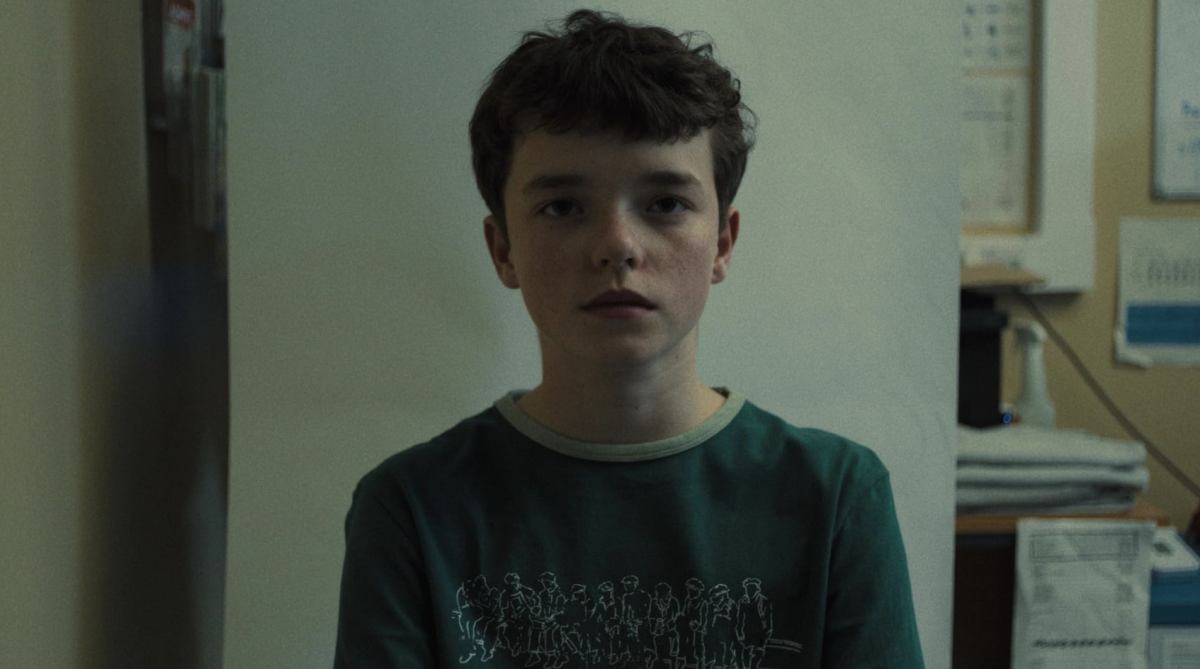
The four-episode series, shot entirely in a one-shot filming technique, immerses viewers in the story of 13-year-old Jamie Miller (Owen Cooper), who murdered his classmate Katie.
There is no question of Jamie’s guilt, but the series shifts its attention to understanding what could lead a frightened, seemingly innocent boy to commit such a violent act.
The show uncovers Jamie’s motive by examining all aspects of his life, delving into his family, school environment and social media.
Stephen Graham — who co-created and wrote “Adolescence” alongside Jack Thorne — portrays Eddie Miller, a father grappling with guilt and questioning his role as a parent.
In an interview on “The Tonight Show Starring Jimmy Fallon,” Graham explained how real-life cases inspired the series: “I just thought, what kind of society do we live in where young boys are stabbing young girls?” Graham said. “What if we’re all accountable — the education system, parenting, the community, the government?”
Jamie’s age is central to the series as it delves into the concept of “male rage,” examining how overlooked misogynistic behavior, toxic online influences and unchecked aggression shape young boys into men capable of violence.
This theme is further explored in the second episode, where police interviews at Jamie’s school expose systemic failures.
Unsupervised classrooms foster unchecked bullying, revealing the broader consequences of neglect on vulnerable youth. The series also highlights toxic online male culture, where figures like Andrew Tate inspire students to use “red pill” emojis to ridicule perceived masculinity failures and label others as “incels.”
Police and teachers were unaware of the online bullying targeted at Jamie and other students, exposing a critical gap in their understanding.
This lack of awareness unveils another layer to Jamie’s motive and emphasizes how disconnected adults can be from the digital world and the harmful cultures it creates.
“Adolescence” also examines the Miller family’s role in shaping Jamie, exploring factors like his inherited temper while exposing their limited influence on his actions. It reveals how the parents’ naivety to the digital world left them with lasting guilt and heartbreak.
One of the most chilling moments comes in episode three, where psychologist Briony Ariston (Erin Doherty) questions Jamie in a single-take scene.
This moment unpacks Jamie’s views on masculinity and women, revealing his motive as a toxic mix of rejection and internalized misogyny. Briony’s calm, probing performance amplifies Jamie’s emotional breakdown, leading to his chilling confession.
The final episode shifts focus back to the Miller family, whose attempts at normalcy are overshadowed by community harassment and blame for Katie’s murder.
The series concludes on a somber, thought-provoking note, shedding light on the harsh realities and complex implications of underage crime.
By forcing viewers to confront the systems and ideologies that shape cycles of violence among young men, as well as the often-overlooked role social media plays in shaping youth behavior, “Adolescence” delivers a powerful and timely message.
Through its gripping narrative, the series has sparked widespread discussions on social media and is even being advocated for inclusion in UK school curricula to further the conversation on violence and cyberbullying prevention.
“Adolescence” leaves viewers with a lasting impact and urges audiences to reflect on the cultural, systemic, and digital forces that shape the lives and actions of today’s youth.