


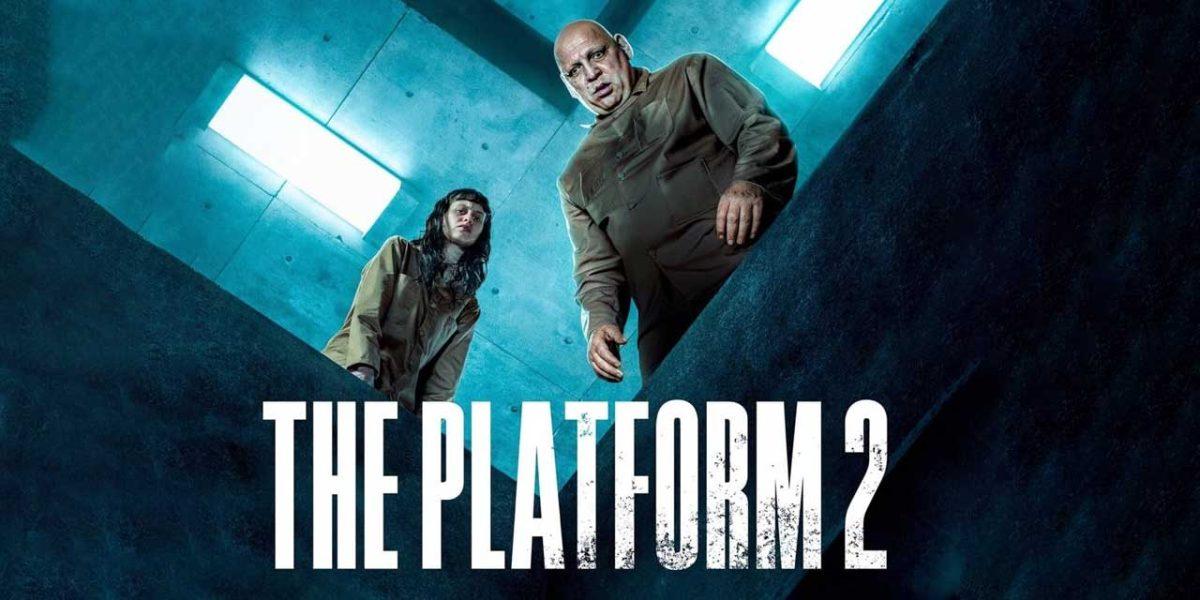
“The Platform 2” expands upon the gloomy world of Netflix’s “The Platform” with more conflict, gore and mystery.
“The Platform” and its sequel were directed by Spanish filmmaker Galder Gaztelu-Urrutia. While he doesn’t have much work under his belt, delving into his earlier filmography, a film he produced called “The Glass Coffin”, reveals that he has a fascination with trapping characters in unfamiliar situations.
In 2019, “The Platform” was released on the streaming service Netflix to critical acclaim from audiences and critics alike. While no one expected the Spanish dystopian film to be a breakout hit, its success proved that streaming services should put more funding into foreign indie films.
Five years later, “The Platform 2” was released. Given the vague ending of the first film, it’s not difficult to wonder what direction Gaztelu-Urrutia could take the series in.
To start, the audience follows a new protagonist. Perempuán (Milena Smit) is an artist who’s trying to escape her past after an accident that resulted in the death of her boyfriend’s son. Similar to the first film, the audience is slowly given the character’s backstory through flashbacks and conversation.
This applies to the supporting characters as well. Every character is unique in their personality and provides their own interpretation of the platform, its purpose and the way things should be run.
This form of storytelling lends itself to other notable films in the genre, like “Saw” and “Cube.” Since its characters are trapped in singular rooms or a small environment, elements like story, character and mystery are crucial to keeping the films interesting. Thankfully, the second film throws a lot at the audience, resulting in a captivating story that manages to expand upon the film’s universe without treading on old ground.
Given that the sequel and first film are extremely intertwined in their stories, there were notable issues with certain elements the film wanted to include without retconning the original. Throughout the movie, the audience is shown glimpses of groups of kids at the very bottom of the tower. While its symbolism is apparent, it doesn’t make sense within the context of the film. The director sacrificed logic for artistic expression, and what was left in its place is a series of confusing beats.
What “The Platform 2” lacks in its brutalist but bare setting, it more than makes up for with cinematography and lighting. There’s a sense of helplessness that the film conveys with these grandiose shots of multiple floors. There were beautiful shots of harsh green and red lights that shone through the concrete openings to create an oppressive atmosphere that sticks with the viewer.
Overall, “The Platform 2” is an enjoyable experience. Despite its message of futility, it’s an easy film to turn your brain off to and just immerse yourself in the atmosphere and story. The future of the film series is exciting.
“The Platform 2” released Oct. 4 on Netflix.