




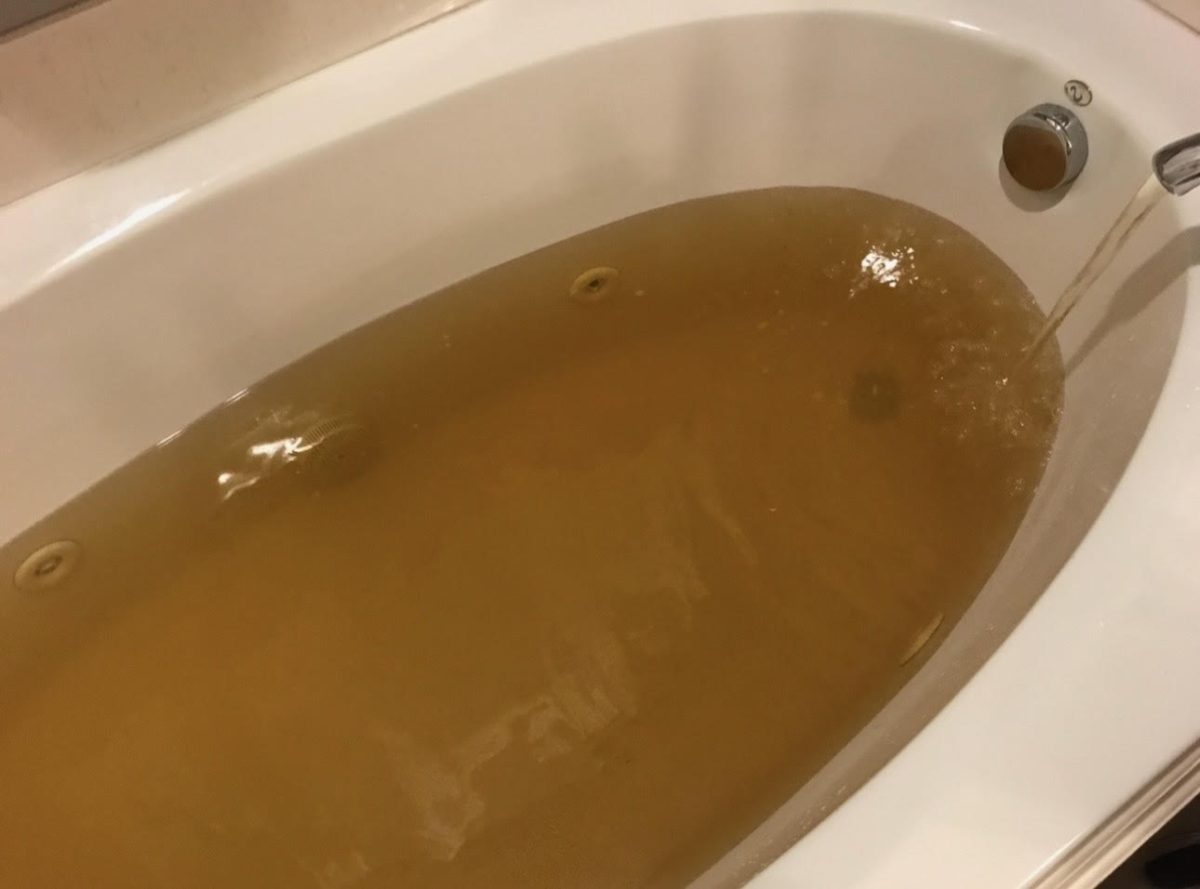
Residents in South Sheridan are drinking water that looks more like tea than tap.
Despite city assurances that the brown-yellow tint is safe to drink, residents say high iron levels have stained their tubs, ruined their laundry and left their concerns unanswered.
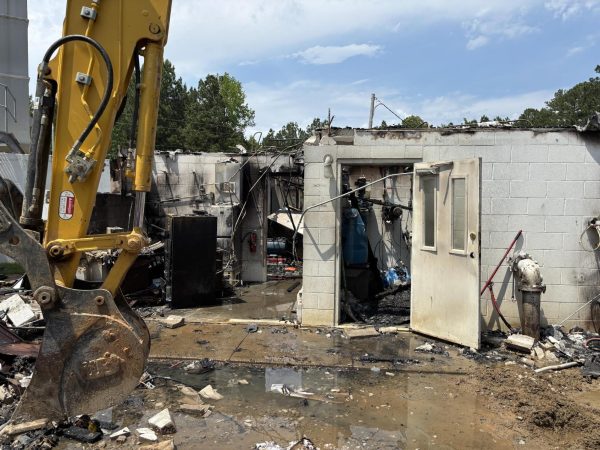
The discoloration began after a lightning strike in May sparked a fire at the South Sheridan Water Association Treatment Plant, damaging the facility. Since then, the city has faced ongoing water issues, with no compensation offered to residents and no clear plan to restore clean water.
“Our water is safe to drink and bathe in, and it meets or exceeds every state and federal quality standard. We test water weekly and monthly under the Arkansas Department of Health and EPA oversight,” said Sheridan Mayor Cain Nattin. “The brown tint some residents see from time to time is usually iron, which is not harmful but can cause temporary discoloration or staining.”
According to the Arkansas Department of Health, iron levels in drinking water are considered safe up to 0.3 milligrams per liter. While South Sheridan’s water meets that threshold, residents say the visual impact tells a different story.
“It’s primarily iron buildup that gets stirred when the system is disturbed.” Nattin said, “Sheridan isn’t flat, and depending on elevation, some households may never see it, while others see it occasionally. It’s an aesthetic issue, not a safety issue.” But for many residents, the issue feels far from cosmetic.
James Harrod, water superintendent for the South Sheridan Water Association, addressed the complaints in a joint Facebook post with his wife, Kara Harrod, after months of public frustration. The post suggested the problem was not the utility’s responsibility, but has since been deleted due to public backlash.
“South Sheridan Water is only required to provide safe drinking water… no more, no less,” the post read. “People CHOOSE to have running water in their homes… that is a choice made by the consumer, not a responsibility of the water company.”
Although the discoloration has spread citywide since the May fire, some residents say the problem has existed for years.
(Cain Nattin)
Kirsty Morrison, who previously lived on Reynolds Dr. in South Sheridan, said she dealt with brown water long before the recent complaints.
“From the time we moved in, in 2005, our water was horribly brown several times a month, the color of mud,” she said. “So this brown water isn’t new to Sheridan, but I know it’s new for everybody’s water to be brown.”
According to the 2024 Consumer Confidence Report from the Sheridan Water Supply Corporation, the system serves more than 3,000 customers and remains in compliance with state and federal safety standards.
The report confirms that iron levels in the water remain below the EPA’s secondary maximum contaminant level, making the water legally safe to drink. However, the report makes no mention of the May fire, the resulting discoloration or any compensation for affected residents.
Water rates in Sheridan vary by usage, but base fees and tiered charges continue to apply regardless of water clarity. Residents say they’re being charged full price for water they can’t fully use, with no rebates for stained fixtures, no filtration support and no timeline for restoring clear water.
“For the 15 years we lived there, it was off and on,” Morrison said. “They never fixed it. What they told us to do is every time the water turned brown, to turn on all the faucets, and just run it until the water was clear, which I don’t know that it ever would have been clear.”
Morrison said her family adapted by drinking tap water only when it looked clean and relying on jugs when it didn’t.
“We just drank the water when it was clear, and when it was brown, we would use jugs to drink out of,” she said. “That’s what they say — it’s not a safety issue. But I can’t make myself drink brown water, and I don’t really want to bathe in it either. But I sure can’t drink it.”
While city officials continue to emphasize that the water meets regulatory standards, residents say the issue goes beyond compliance and touches on the basic expectation that clean water should look clean, too.
“Our water and sewer funds are tracked, regulated, and audited every year, and by law, they can only be used for their intended purposes. Sheridan Waterworks is transparent, compliant, and operating within the Arkansas Code requirements for self-sufficiency,” Nattin said.