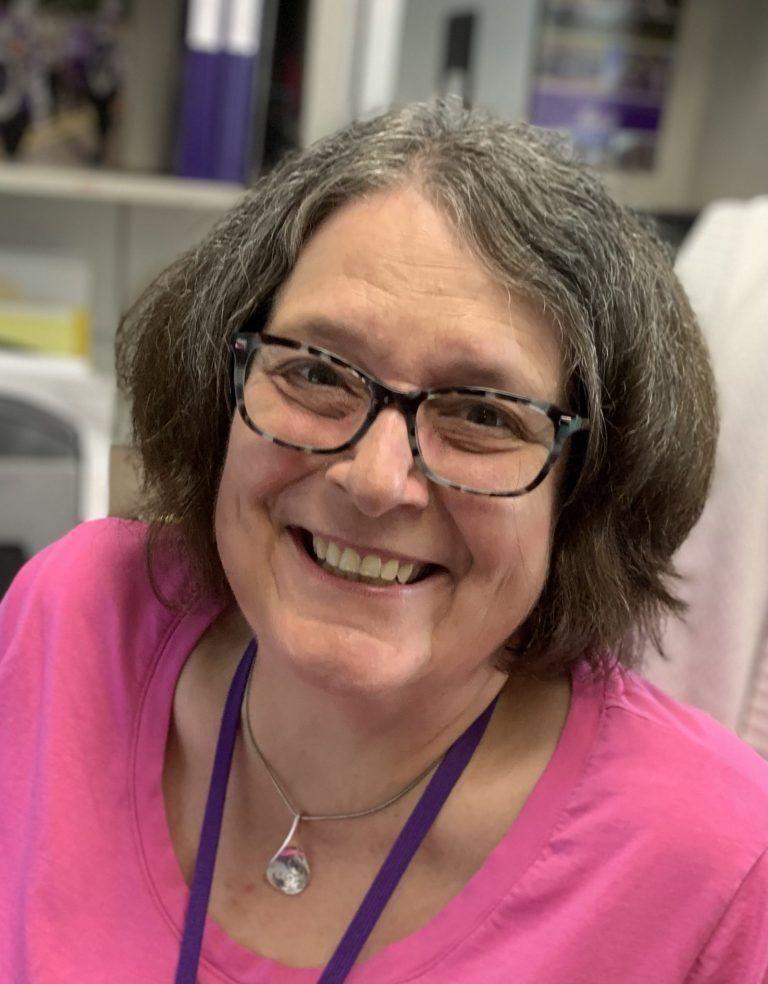


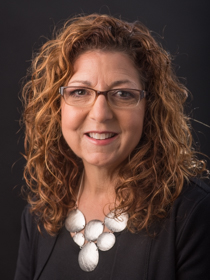
Lorrie George-Paschal has been teaching students occupational therapy and researching the theory of occupational adaptation at UCA since 1993.
“The theory of occupational adaptation asserts that individuals develop occupational competency through their cyclical engagement in daily occupations,” Paschal said. “This theory resonates with my belief about how occupational therapy works to influence internal adaptation as opposed to improvement in movement patterns and discrete daily occupations. This is sort of like the ‘teach a man to fish’ proverb.”
The goal of occupational adaptation is to give a patient the tools to continue working on their own once occupational therapy is no longer provided.
Paschal has partnered with other researchers to develop the occupational adaptation practice guide, which helps practitioners understand how to use the theory and the relative mastery scale that measures efficiency, effectiveness and satisfaction with self and others based on the OA theory.
She has used these tools for several years while working with juveniles at the Faulkner County Juvenile Court as a mentor.
“Based on occupational adaptation, we used OA-based instruments to help adolescents in the [detention center] to set and achieve personally meaningful goals,” Paschal said. “Outcomes of our research [were] published in the Occupational Therapy Mental Health Journal. We ran the weekly program for 15 weeks in the fall and spring on a pro bono basis for about five years.”
As said in the journal, these practices were successful and helpful to inmates dealing with mental health issues. The research was also a learning environment for students that got to participate as researchers.
Paschal has worked closely helping adults with disabilities through assistive technology as well. During the pandemic, she and other student researchers helped senior adults overcome technology issues, so they could connect with their families and the world while staying safe at home.
“I believe occupational therapy can benefit any individual who has challenges in adaptation, whether due to a physical or mental health condition or just life challenges. My primary area of practice has been in adult rehabilitation,” Paschal said. “I have worked with individuals who have had strokes, brain injuries and spinal cord injuries among other conditions. Assistive technology can be a great way to bridge the gap between the person’s ability and what they need and want to do, whether for work, leisure or self-care.”
Through her time at UCA, Paschal has witnessed the occupational therapy program go through a lot of changes. Keeping up with the occupational therapy accrediting body, the program had a need to develop from a bachelor’s to a master’s and more recently, to a doctoral program.
“The reason for the programmatic recommendations and our offering of a clinical doctorate is to two-fold: to develop occupational therapy practitioners with advanced clinical reasoning skills to address society’s need for professionals prepared to work with people across the lifespan who have complex medical conditions … and to prepare practitioners who have the knowledge and skills needed to be consumers and producers of research,” Paschal said.
Some of her favorite memories and moments of her teaching career have been working with students in applied research classes to come up with research questions and create methods for solutions. She has also enjoyed teaching interprofessional courses that allow students and faculty of different disciplines to come together and learn with, from and about each other.
Paschal has had several opportunities to travel and spread research findings in Banff, Canada; Roanoke, Virginia; San Diego, California; and Paris, France.
For her students, Paschal wants them to leave the doctoral program “prepared to create evidence to ensure a future for occupational therapy as a discipline … I want my students to set the bar high for themselves and for the profession.”