
Despite their contrasting viewpoints and backgrounds, registered student organizations at UCA are united in a shared goal of connecting with the community.
Whether it’s through food, music, culture or knowledge, RSOs have the capacity to generate lasting relationships among students, regardless of who they are or where they come from. For many of these organizations, representation is a way they are able to accomplish that. The RSO Fair provides this opportunity.
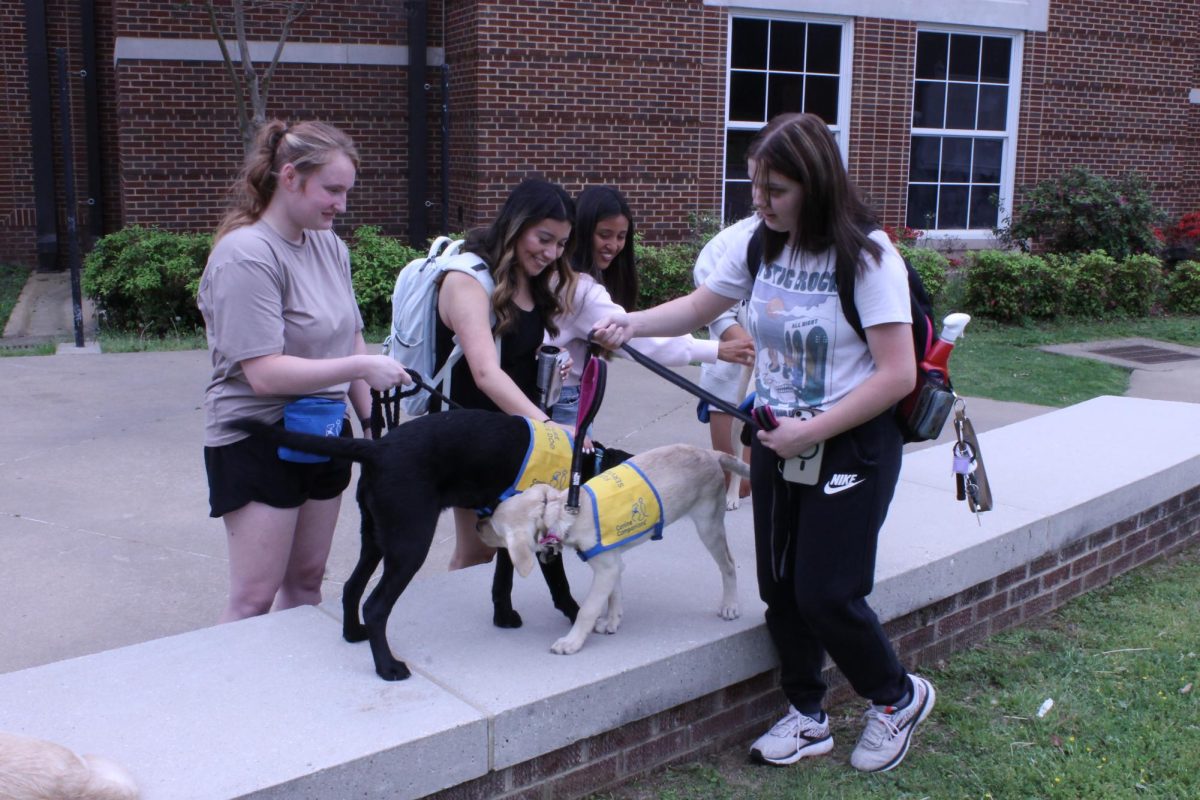
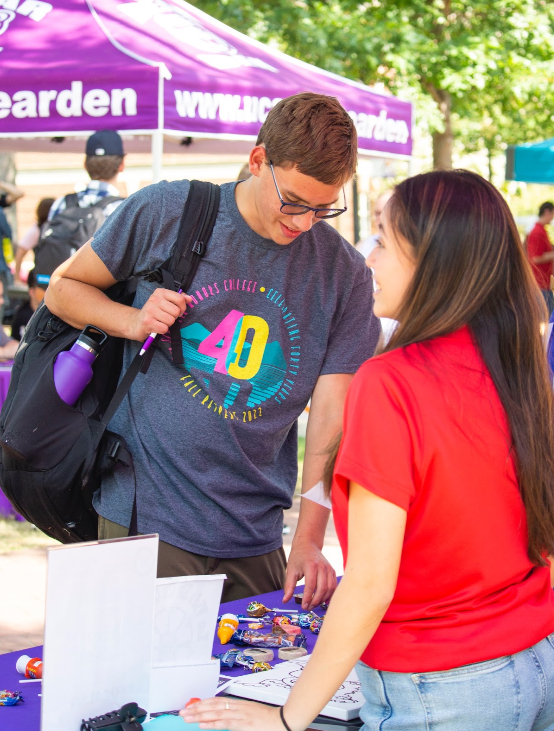
Student organizations lined the walkways in front of the Ronnie Williams Student Center Sept. 13, eager to speak with any curious student who passed by. Aside from chatting with the various organizations, students participated in activities, ate food and left with balloon animals made by balloon artist Haley Damon.
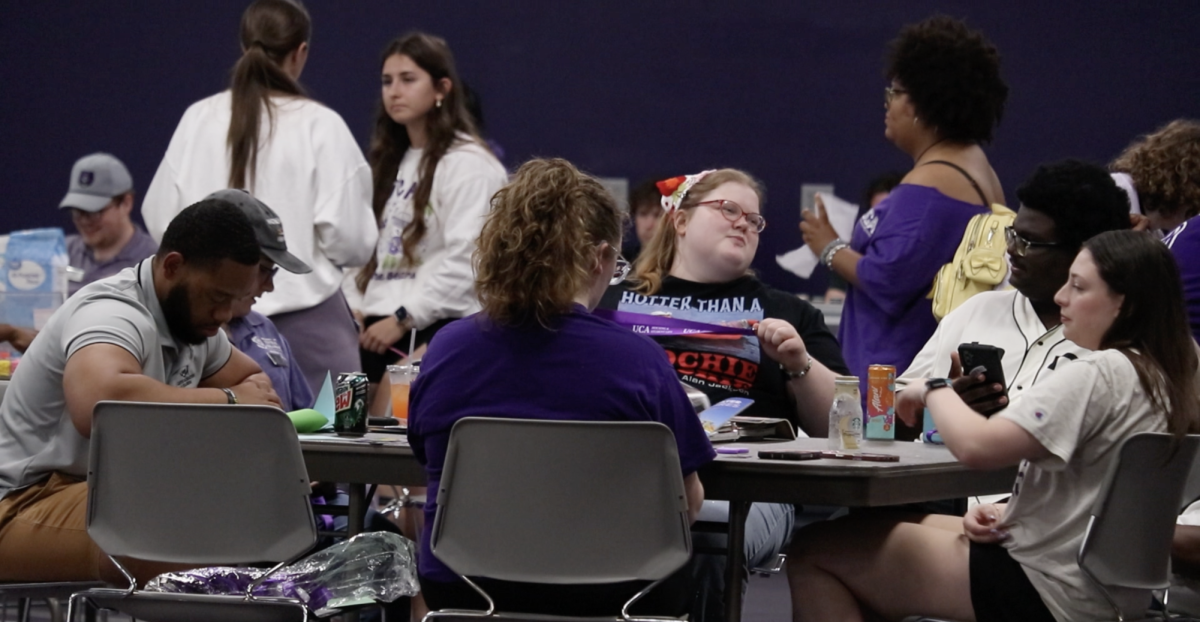
Following the sound of laughter would lead you to the African Students Association. Here, culture is a motivation for building community. Seniors Mary Amoaning and Savi Ahounou have taken the initiative to make this happen.
“Our goal is to unite the Africans here on campus,” Amoaning said. Amoaning, a nursing major from Ghana, is the president of the ASA. With a small population of Africans on campus and in Conway, her desire to build and support her community means formulating events to promote the connection.
“We just try to have a little community for them,” Amoaning said. “Just to have them feel like this is a home away from home. So we have a bunch of different events.”
The ASA holds events like AfroChill, where members serve cultural food and drinks as an introduction to their organization. They also organize galas and participate in Diversity Food Night and International Education Week, all of which help them gather new members and share their culture.
Ahounou, vice president of the ASA from Benin, emphasized the importance of inclusion within the organization. “It’s not just for African students. We are trying to teach Americans what we call home.”
In the fall semester, the ASA will hold educational events like Afro Table Talk, entertainment events like Pass the Mic and Nollywood Themed Halloween Night and a Thanksgiving Potluck.
“That’s a really important event for us,” Ahounou said of their potluck. “As Africans, we’re away from our families, so it’s for us to unite and have a dinner together in a cozy environment.”
Education is also important to Amoaning and Ahounou. “We try to help our students in terms of academics and college performance,” Amoaning said. “So, we also have events where we try to educate them on tips to survive in college and how it is after graduation.”
“It is a bit harder for us,” Amoaning said. “The process is a bit harder with our immigration, so we try to help make the transition easier.”
Ahounou said, “We do that by inviting previous students that graduated and pursued a degree. We invite them to talk to current students about their experience in the work industry.”
By providing resources for their members to reach out to, Amoaning and Ahounou build their community outside the boundaries of campus.
“I feel like it is unique to us, because of our background and where we’re from,” Amoaning said. “A lot of us have a similar upbringing and we’re all coming here to a completely different culture and completely different people.”
“That’s why I think this organization is very important,” Amoaning said.
Though their cultures are different, the African Students Association shares many ideals with the Latino Student Association, including a drive for connections within their small population in Conway.
Karla Mezquita, secretary of the LSA, believes that the organization is a great way for people to learn about the Latino community.
“The purpose of LSA is to bring more Latinx awareness on campus,” Mezquita said.
With around 50 members in their organization, the LSA is able to bring students from different Latin cultures into shared spaces. President of the LSA, Christopher Velazquez, reflected on his own experience at a predominantly white institution.
“I’m usually the only Latinx student in class,” Velazquez said. “If you don’t have a community to fall on or to guide you, then you’re going to stay in your room and not be active or speak with other organizations. We want everybody to have a community here.”
Sophomore Crystal Araujo recently joined the LSA after seeing the booth at Conway Daze last fall. Since joining, she has seen the value in RSOs.
“You get a different sense of community and you get to meet new people,” Araujo said. When joining an RSO, she considers the kind of people who are a part of it. “I look for people that are either similar to me or way different. It’s always a fun experience joining something and it being totally out of your comfort zone,” Araujo said.
While the African and Latino Student Associations are focused on building their communities, the members of The Big Event are gearing up to give back to theirs.
Juniors Erin Kaucher and Cori Cullen are new to the executive board for their organization, and their mission for the 2022-23 school year is to get the word out about The Big Event.
“We are a volunteer service organization,” Cullen said. The organization holds one day of volunteering per year. This year, the Big Event falls on March 11, and Cullen and Kaucher have already started searching for volunteers.
“Usually we have over 50 jobs that we do around Conway, and about 300 volunteers,” Cullen said. “The committee is the backbone making the whole thing come together.”
The organization is currently looking for members to apply to join their committee, which is a group of 30-40 people who help to plan the event throughout the year.
“Conway gives us so much. It’s made up of people that have gone to UCA and Hendrix, so we really acknowledge the fact that the people who live here make what we do on campus possible. We want to give back to them as much as we can,” Cullen said.
In order to improve their organization, the executive board plans to scrap the old methods and start fresh. “We want to do our own thing and hopefully make it better,” Cullen said. “We’re trying to increase our outreach this year. We want everyone on campus to know what The Big Event is just by hearing it.”
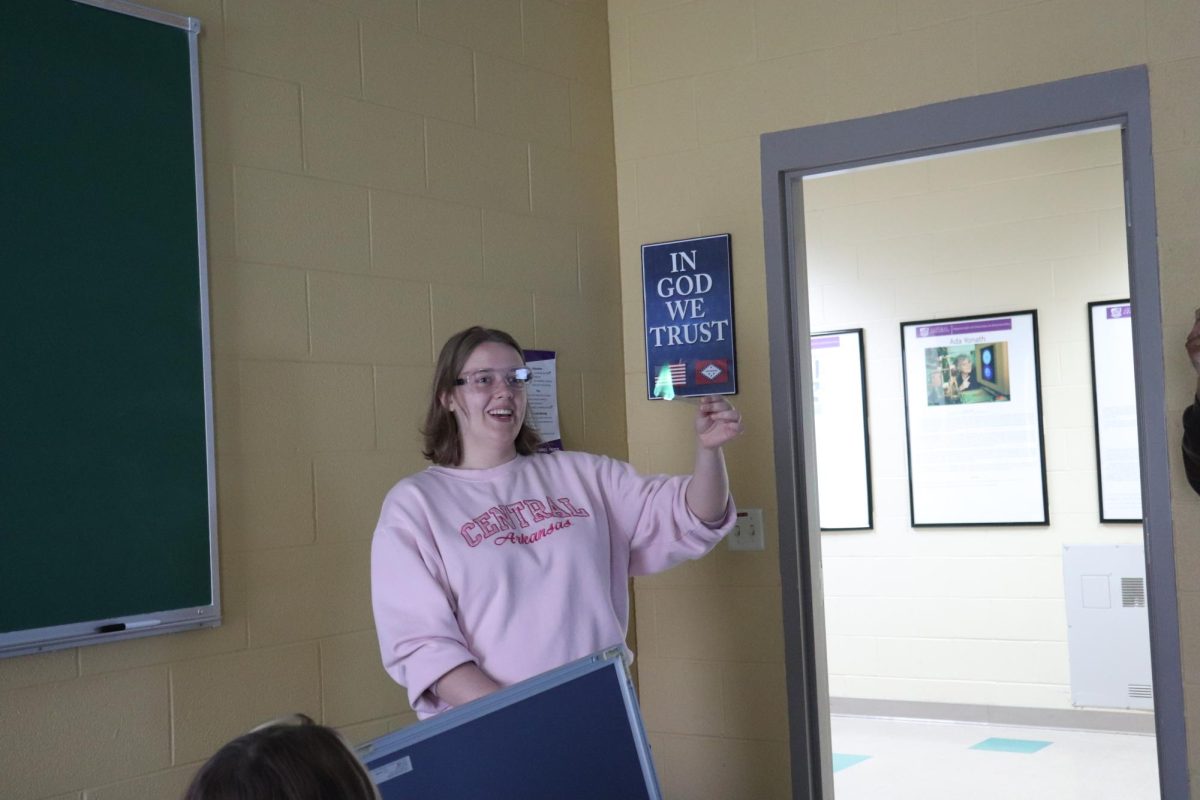
The desire for outreach is a common theme among student organizations, as the Philosophy and Religion Club aim to include more voices in their conversation. The organization collectively engages and interacts with speakers and text-based discussions.
Faculty adviser Jesse Butler hopes students interested in joining the discussions will come see what the club has to offer. “I think the humanities are vital areas for all students, for any major or career path,” Butler said. “Philosophy and religious studies are at the heart of the humanities, offering investigations and insights that touch upon virtually every aspect of life, from general critical thinking skills and long-standing reflections on what we know, and don’t know, about ourselves and the world to timely debates in ethics and politics.”
Treasurer John Michael Mcgrail, a junior, said fields like biology, neurology and psychology may lead people to stop asking the important questions.
“A lot of people have the idea that we have figured out the world already,” Mcgrail said. “We want to show that there are still these very deep conversations to be had. The benefit of the club itself is that we can have these conversations outside of a strictly academic environment.”
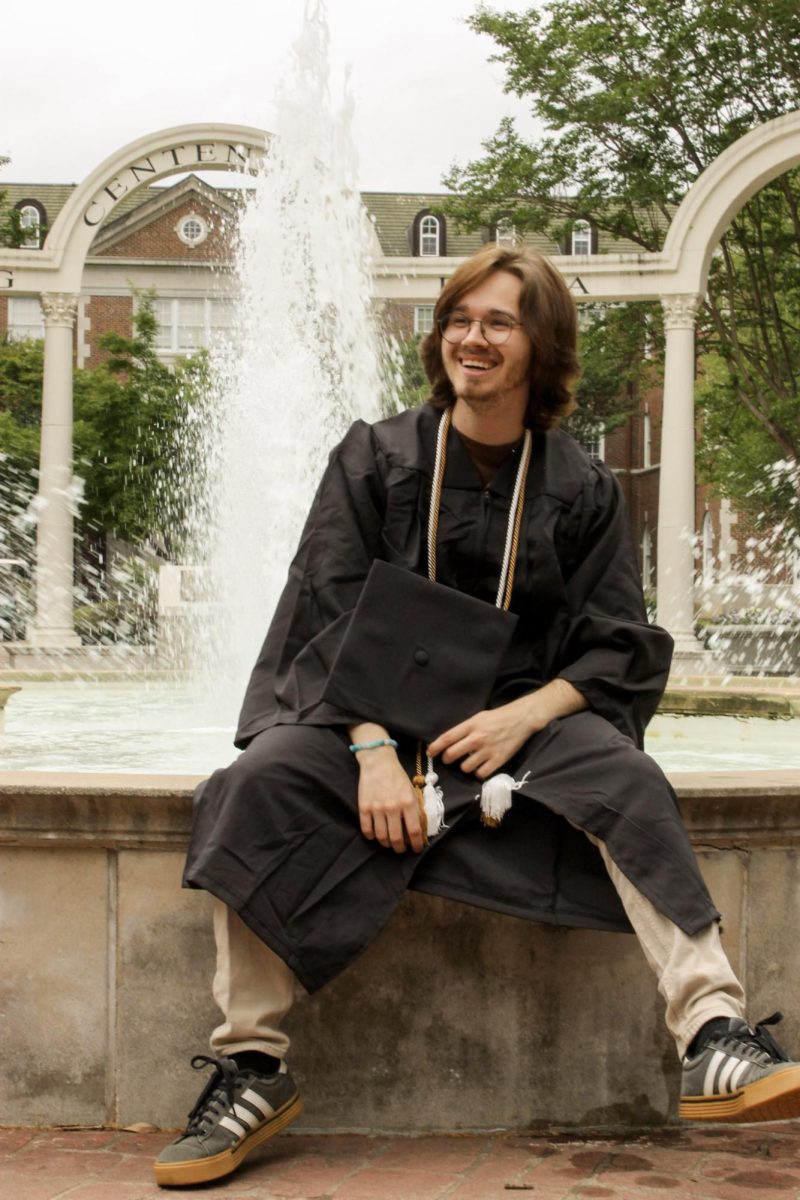
Organizations like the Robotics Club seem to thrive in an academic environment. Harrison Bounds, president of the organization, enjoys seeing the designs of his team come to life. As a junior, he is no stranger to the process.
“My freshman year, we didn’t have a robotics club,” Bounds said. He was elected for an officer position after joining the club when it originally formed. “We’ve had a lot of fun building robots and going to competitions. We’ve grown a lot,” Bounds said.
Bounds said the organization had tripled its original size due to events like the RSO Fair and Conway Daze. From there, the team starts preparing for the annual competition.
“Once we know what the game is, we can brainstorm or design and see what we’re going to build,” Bounds said, which can take up to three months.
“You can do so many things with robotics,” Bounds said. “It’s really cool to see, build, program and make your designs come to life.”
“This is a place where all of those things can flow,” Bounds said.