


An edge-of-your-seat, can’t-catch-your-breath film that bends the horror genre — creating an immersive experience that removes the natural audience instinct to look away from their fears and forces them to be heard instead.
Director, Ian Tuason, joined forces with A24 to deliver “Undertone,” a chilling yet somewhat half-baked horror movie that was released in theaters nationwide on March 13.
This film utilized common horror elements such as religion, complicated family dynamics and urban myths which cohesively interlaced with negative space, sliding camera shots and a slow-burn tension throughout.
The most crucial component of the movie though was its sound design, which dug its claws into viewers and never truly lets go even after they’ve left the theatre.
Tuason didn’t want to just create a film to watch, but to actually feel, generating a true primal fear effect.
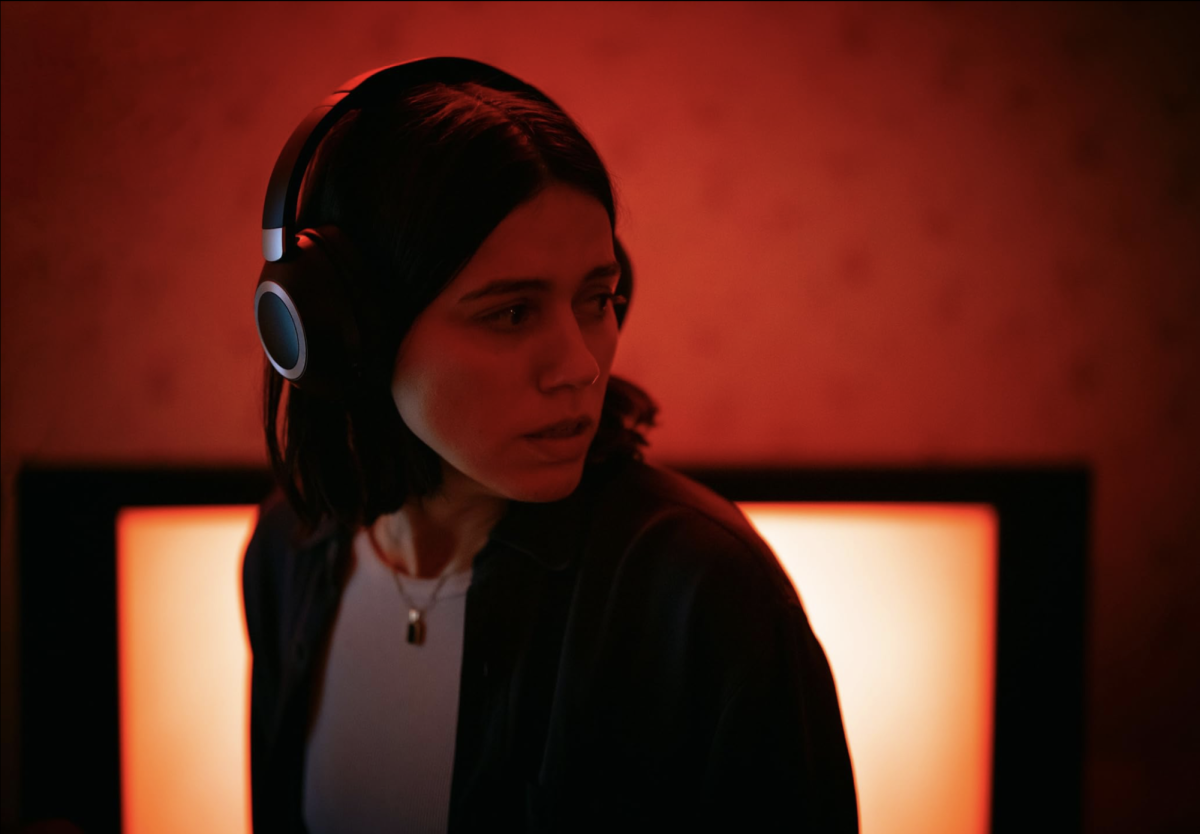
Horror podcaster and protagonist, Evy who is played by Nina Kiri, who listens to horrifying audio clips sent in by an anonymous email with her co-host and friend Justin, who is played by Adam Di’Marco.
Evy’s sick mother, played by Michelle Duquet, is the only character besides herself who is seen actually on screen.
Di’Marco’s character is only ever heard through audio calls with Evy enhancing the eerie use of dialogue and sound.
Duquet is constricted to her bed which flips the normal horror route on its head.
The choice of only having one true main character in this film could have been presented as boring or lacking depth, but when all the pieces align it becomes a fascinating and all-consuming story that causes audiences to dive head first into the mania that ensues within the house and the audio clips.
As each new clip is played, listeners are bombarded with a unique storyline about a couple.
Audio files one through ten are played and palpable tension fights its way through the screen and into the ears and minds of audiences; you can cover your eyes but the fear will remain all the same.
The entirety of the film shows cuts of religious statues and paintings, and yet the complete tie between the family’s faith and the connection to the audios heard in the email is underwhelming.
Unexplored yet extremely vital-to-the-plot mommy issues entranced audiences yet fell flat in the film’s final moments.
The correlation between the urban myths that are discussed between Kiri and Di’Marco’s characters are developed as major plot points over the course of the film but end up seemingly simple rather than rounding out the film.
The movie gets under your skin and takes overdone horror components and rewrites it completely with the use of sound creating a new, creepy take on scary movies.
“Undertone” doesn’t feel the need to explain itself or elaborate on the horrors that intermingle between reality and nightmarish, and while there was a desire to see a larger degree of closure to the intensity built from beginning to end, this film veered away from what was just seen.
What was heard was far beyond important than what was seen and will remain with audiences for a very long time.