




Social media has found its way into nearly everyone’s lives at this point. With the advancement of technology and the internet, universities have been utilizing social media more and more. Greek life in particular has begun using it to promote community service projects, events and fundraisers.
Currently, UCA has 22 Greek organizations.
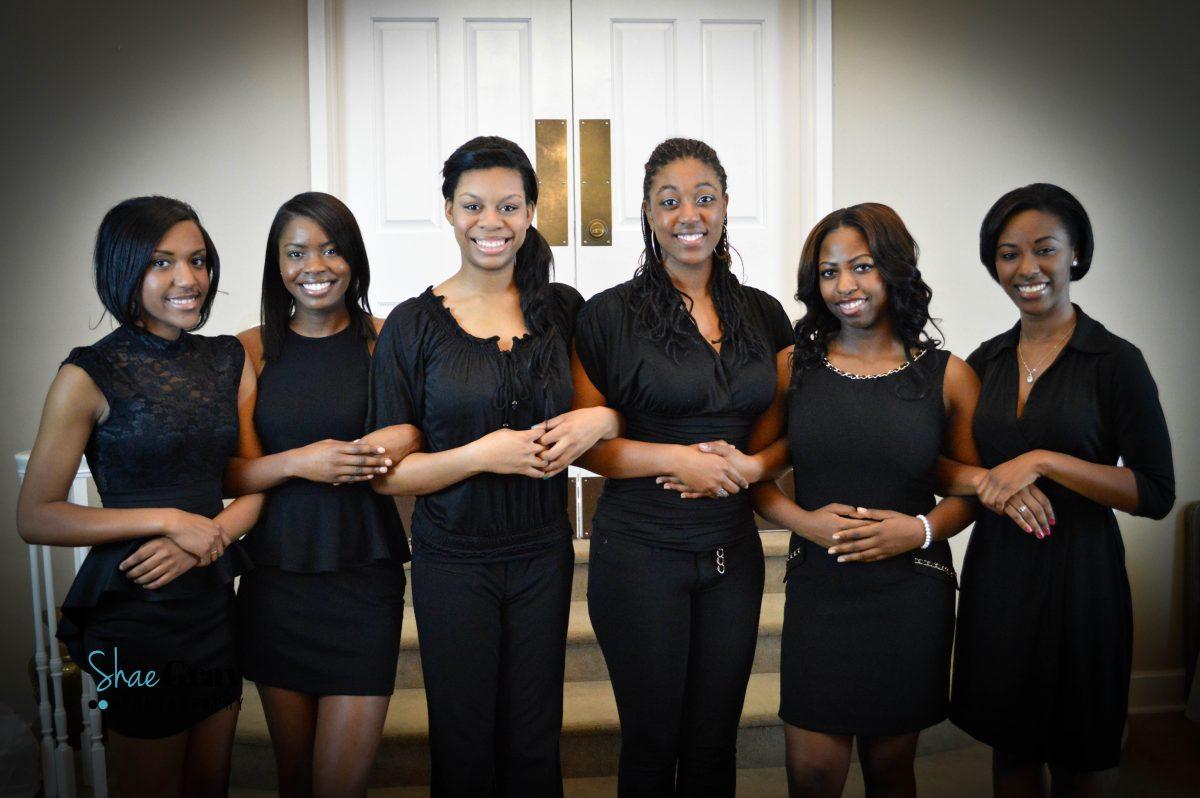
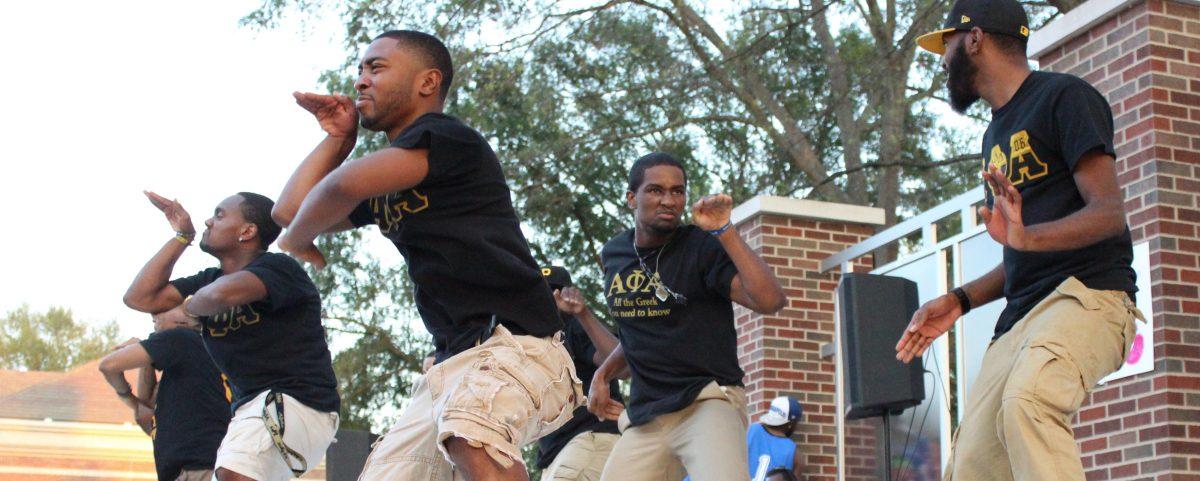
Since 1915, it has been divided into four councils: Interfraternity Council which governs the traditional Caucasian fraternities; Panhellenic Council which governs the traditional Caucasian sororities; National Pan Hellenic Council which governs the traditional African-American fraternities and sororities; and Independent Greek Council which governs any organizations not holding membership in the former three councils.
Popular social media sites such as Facebook, Twitter and Instagram play a large role in the lives of most college students, and major companies are beginning to notice the trends influences these websites have on branding and development.
“In Greek life, when you guys tweet a picture of you all doing community service somewhere, we can pay for that kind of publicity,” Director of Greek Life, Wendy Holbrook said. “You know, if you have 1,000 people following you and they see your whole fraternity out doing something, that is amazing.”
According to statisticbrain, there are over 645 million registered users for Twitter and an estimated 58 million tweets posted on the site everyday. Potential employers can access a candidate’s account in order to determine whether he or she would be an asset to the company based on their online image. Although organizations use it to promote philanthropy, networking and scholastic achievement, social media is still often abused.
“They really should think about what they put out there. It is very influential and a lot of times, it’s influential in a negative way…,” Director of Multicultural Services, Angela Jackson said. “I think our people really need to be cautious of the image that they portray because they’re looked up to by a lot of people who are are non-Greeks, and a lot of them will aspire to be Greek at some point.”
You can watch the interviews below.