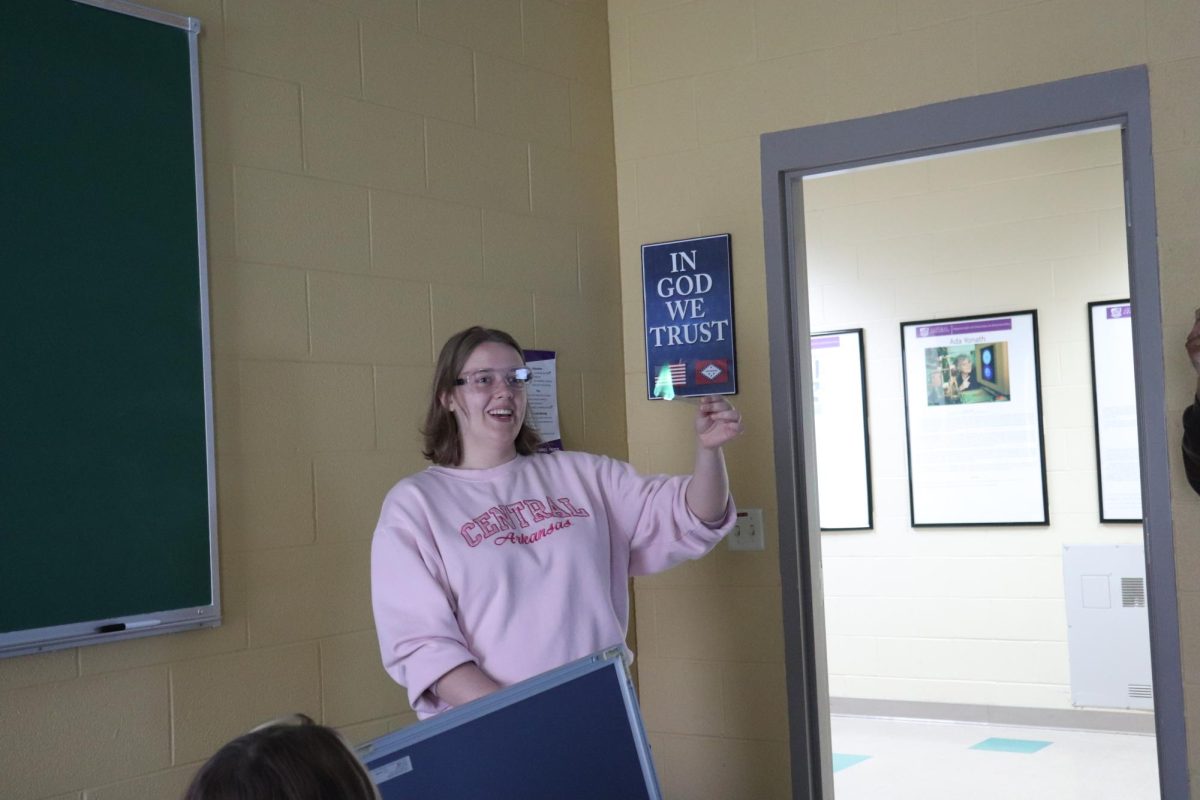




Hermandad de Sigma Lota Alpha organized a public discussion on the US immigration process and human rights for both documented and undocumented Americans.
The Feb. 5 discussion opened with the sorority’s president, Grecia Navarro, who began by explaining the importance of discussing US immigration.
Navarro said, “Something that is really important is understanding that even if you’re documented or undocumented, you still have your rights.”
The discussion then opened the floor to Reesa Ramsahai, a staff counselor at the Student Health Center. Ramsahai informed the audience of counseling services offered on campus. Any student in need can call 501-450-3138 or go to the Student Health Center website to fill out paperwork and set up an appointment.
Immigration law attorney George Ernst spoke next. The discussion opened to clarify what rights citizens and non-citizens have, such as protections from unlawful search and seizure under the Fourth Amendment and the Fifth Amendment right to remain silent.
The SIA sisters placed small cards on each seat with constitutional rights on one side and prompted responses to use if Immigration Customs Enforcement questions you.
Ernst then informed the audience that resources like the American Civil Liberties Union, Arkansas United or the American Immigration Lawyers Association websites are great starting points to answer any lingering questions about immigration law or civil rights.
Ernst said, “If you want to become more involved with immigration issues, reach out to organizations like Arkansas United.”
Ernst also reassured the audience that the Constitution of the United States of America will continue to protect both citizens and non-citizens. Annulments to the Constitution could change that, but it is unlikely and would be unconstitutional.
Immigration lawyers working in business immigration, family immigration or asylum cases are limited by their authority to change or influence legislation. Therefore if a citizen disagrees with proposed legislation or current legislation they should call their federal representative to voice their opinion.
Ernst clarified that though the Fifth Amendment protects answering any questions, citizens or non-citizens are still required to provide identification.
The discussion then shifted towards what faculty or friends could do to protect students. The Family Educational Rights and Privacy Act protects sensitive student information. Under FERPA, teachers and faculty are not aware of a student’s residency status.
The Hermandad de Sigma Lota Alphas discussion on US immigration and human rights highlighted the significance of understanding and protecting rights, whether documented or undocumented. By collaborating with the Student Health Center and Ernst as guest speakers, the event provided students with the necessary tools to better navigate the complexities of immigration law and the protections afforded to all under the Constitution.